
Über uns
Händler gesucht: Kooperation mit einem Spezialisten für Hochleistungsschweißtische für eine dauerhafte Partnerschaft.
Erhalten Sie ein kostenloses Angebot
-
Startseite

-
Blog
-
Industrie Artikel
- Essential Factors to Consider When Selecting a Professional Welding Table

Essential Factors to Consider When Selecting a Professional Welding Table
-
FDT-Ryan
- 2,6 月
 FDT-Ryan
 Essential Factors to Consider When Selecting a Professional Welding Table
Choosing the right welding table is a critical decision for any fabrication shop, whether you are managing large-scale industrial manufacturing or specialized custom projects. A high-quality welding table serves as the foundation for accuracy, efficiency, and safety.
Below are the five key factors you must evaluate before making your investment.
1. Hole Size and Fixturing Standards
The precision of your work depends largely on the fixturing system. The market offers several standardized hole sizes, each suited for different applications:
- 28mm (System 28): The thickness of the standard tabletop is 25mm.Ideal for heavy industrial applications and massive manufacturing. These tables use larger bolts and clamps designed for extreme sturdiness and high weight capacity.
- 16mm (System 16): The thickness of the standard tabletop is 12These are common for medium-duty work. They offer a wider range of economical fixturing options and are generally more versatile for smaller or complex assemblies.
Hole Spacing:
Standard tables typically use a 50mm or 100mm grid. Ensure your chosen spacing aligns with your most frequent project types and measurement systems.

2. Table Material and Internal Construction
The longevity and stability of a welding table are determined by what’s inside.
- Steel vs. Cast Iron: Steel plates are common and durable, cast iron is less prone to deformation.However, if nitriding treatment is adopted, it is recommended to use steel or special alloys, as their nitriding effect will be better.
- Structural Ribbing: A high-quality table should feature an intricate ribbing system on the underside. This prevents the top plate from warping over time due to heat or heavy loads, ensuring the surface remains true for years of service.

Figure 2: The underside of a professional welding table featuring structural ribbing for maximum stability.
The reinforcing ribs of the FDT Welding Tables can even reach 16mm (D28) / 14mm (D16).
3. Surface Hardness and Finish
One of the most important features to look for is a surface hardening treatment, such as Nitriding. This process provides several operational advantages:
- Spatter Resistance: Nitrided surfaces prevent weld spatter from sticking to the table, significantly reducing cleanup time.
- Wear Resistance: Hardened surfaces are less prone to gouging when moving heavy projects.
- Corrosion Protection: The treatment creates a barrier against rust, which is essential in humid shop environments.
- Hole Integrity: Nitriding prevents the fixturing holes from “ovalling” out under the stress of clamping.

Figure 3: A close-up of a nitrided welding table surface, characterized by its protective black finish.
4. Flatness and Precision Specifications
Precision is the hallmark of professional fabrication. When evaluating a table, look for specific flatness tolerances.
While “Weld-Your-Own” kits or DIY solutions can be cost-effective, they carry a risk of warpage during the assembly process. Professional, pre-assembled tables are machined to tight tolerances (often within tenths of a millimeter) to ensure your frames and structures are perfectly square and flat from the start.
5. Capacity, Workspace, and Modularity
Finally, consider the physical constraints of your shop and the scale of your work:
- Weight Capacity: Ensure the table legs and frame can support your heaviest projects plus the weight of the table itself.
- Modularity: Many professional systems are modular. Rather than buying one giant table, it often makes more sense to purchase two smaller ones (e.g., two 1000x2000mmtables instead of one 2000x2000mm). These can be joined for large projects or separated to create two independent workstations, offering greater flexibility in shop layout.
Conclusion
A welding table is more than just a piece of furniture; it is a precision tool. By prioritizing hole standards, structural integrity, and surface treatments like nitriding, you ensure that your shop is equipped for both current demands and future growth. Always verify flatness ratings and consider modular options to maximize your workspace efficiency.
HEBEI FADETONG MACHINERY MANUFACTURING CO., LTD.
FDT Welding Table
Letzter Beitrag
Verwandte Produkte
Bestverkaufte Produkte
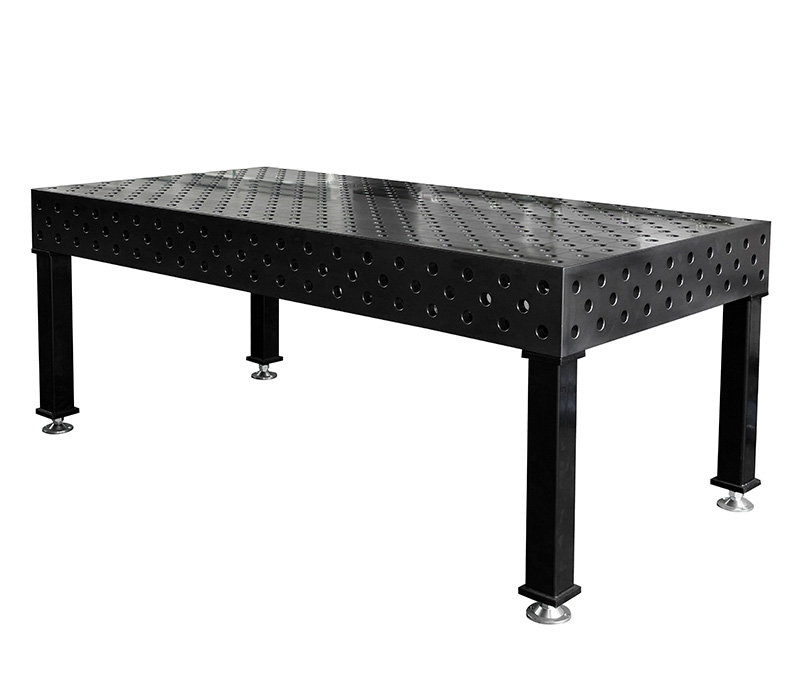
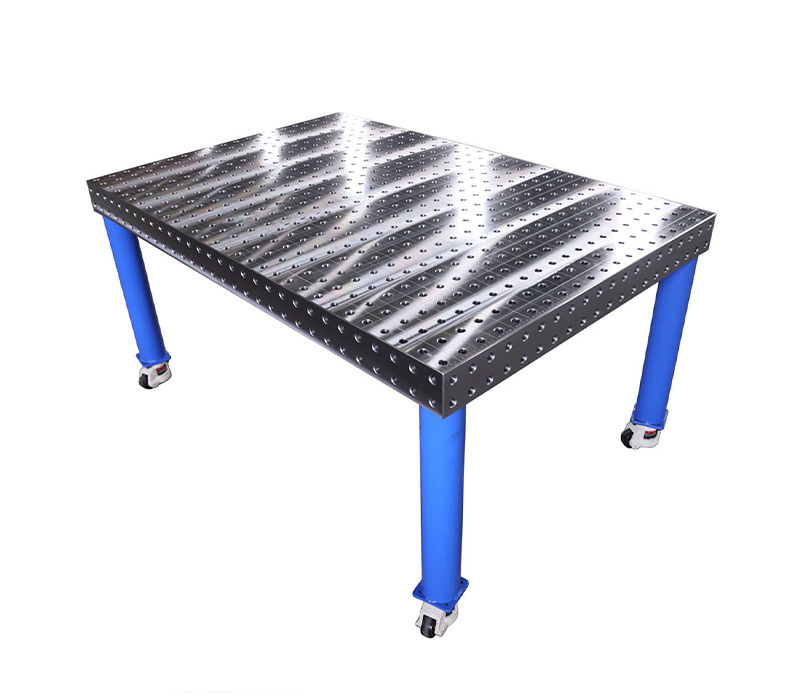
D28 3D Schweißtisch
Die Tische der Serie D28 werden häufig in der großen Stahlkonstruktion- und Schwermaschineindustrie verwendet.
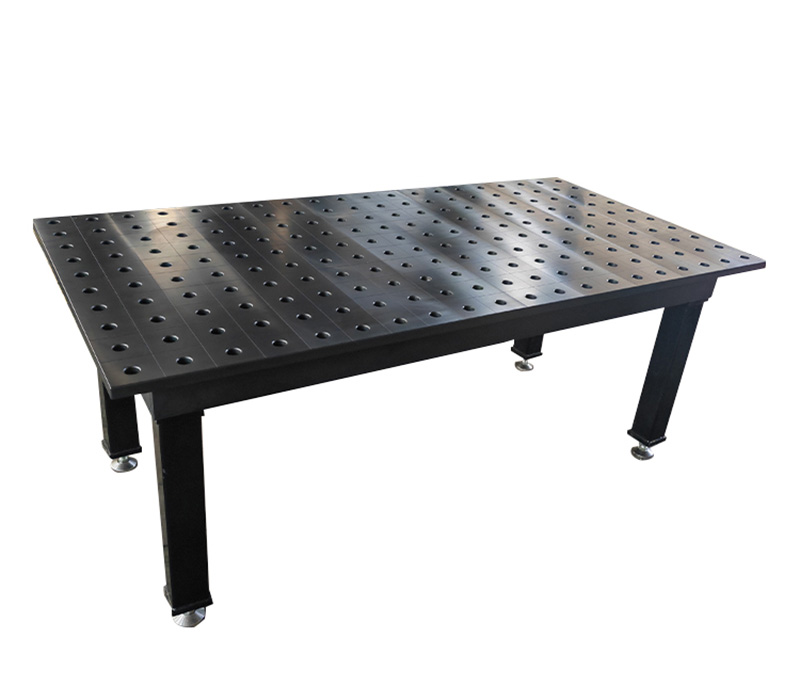
D28 2D Schweißtisch
Die Tische der Serie D28 werden häufig in der großen Stahlkonstruktion- und Schwermaschineindustrie verwendet.
D16 3D Schweißtisch
Die Tische der Serie D16 werden häufig für Blech- und kleine Stahlbauteile verwendet.

D16 2D Schweißtisch
Die Tische der Serie D16 werden häufig für Blech- und kleine Stahlbauteile verwendet.
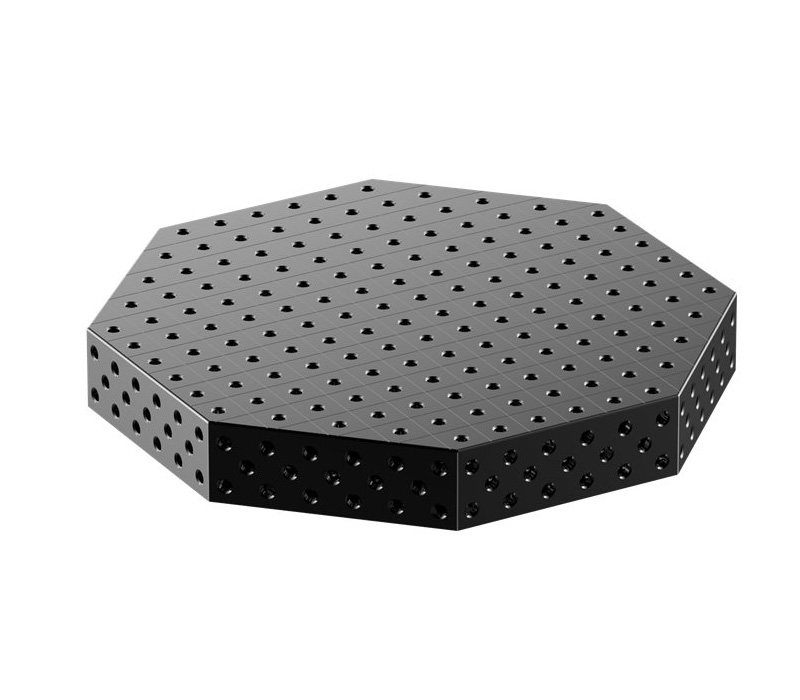
Achteckiger Schweißtisch
Octagonal Platform wird hauptsächlich in industriellen Umgebungen wie Roboterintegration und Positionierwerkzeuge eingesetzt.
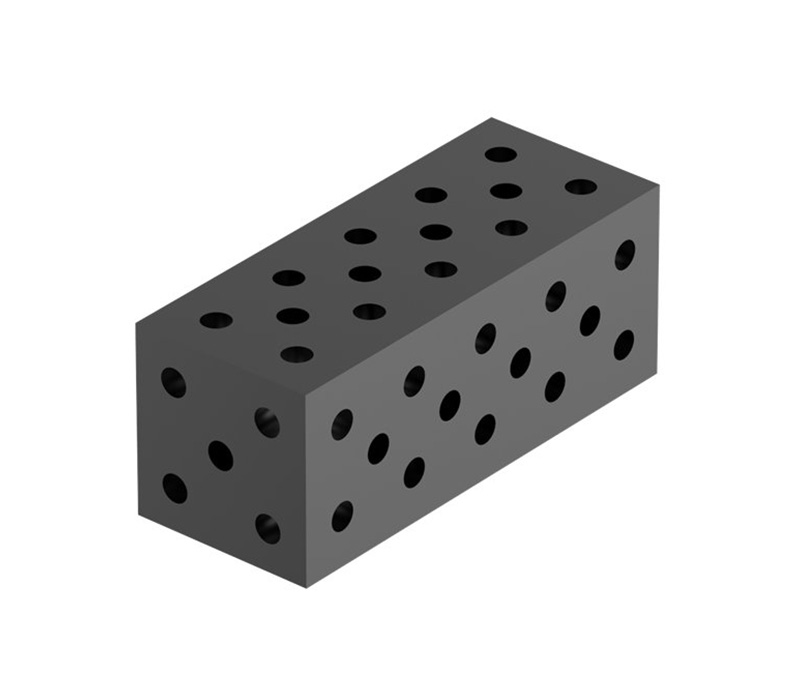
U Form Box und L Form Box
U-förmige Quadratboxen werden hauptsächlich zur Höhenpositionierung und Verlängerungstützung von Werkstücken in modularen 3D-flexiblen Schweißsystemen eingesetzt.